Introduction:
Presbyopia is one of the most typical vision changes people experience as they grab older, yet it often comes as a surprise. Many people notice it suddenly. One day, reading a text message or menu feels effortless, and the next, they discover themselves holding things farther away to see clearly. Despite how typical it is, presbyopia is frequently misunderstood.
This article explains what presbyopia is, why it happens, what symptoms to look out for, and how it can be managed so that near vision remains clear and comfy.
What Exactly Is Presbyopia?
Presbyopia is an age-related condition that affects the eye’s ability to focus on near objects. As presbyopia develops, tasks like reading small print, using a phone, or doing detailed work become more difficult without visual assistance.
It is not an eye disease and is not caused by eye strain. Presbyopia happens to everyone eventually, regardless of whether they have previously had ideal vision, nearsightedness, or farsightedness. Unlike other refractive errors, presbyopia is not due to the shape of the eye, but rather changes within the eye itself.
What Causes Presbyopia?
Inside the eye is a realistic lens that changes shape to focus on objects at different distances. When you are younger, this lens is flexible and can easily adjust to focus on near tasks.
As part of the normal ageing process, the lens gradually becomes less flexible. The muscles responsible for changing its shape additionally become less effective. As a result, the eye struggles to focus on close objects, leading to the symptoms of presbyopia.
This process begins gradually, which is why many people do not notice presbyopia until the symptoms reach a point where near tasks feel uncomfortable or tiring.
Typical Signs and Symptoms of Presbyopia
The most noticeable sign of presbyopia is difficulty reading small print. Many people discover themselves holding reading material farther away to bring it into focus. This is often one of the earliest clues that presbyopia is developing.
Other typical symptoms include eye strain or fatigue during near work, headaches after reading or screen use, and difficulty focusing on close objects, especially in low light. Symptoms are often worse at the end of the day when the eyes are tired.
When Does Presbyopia Usually Start?
Presbyopia typically begins in the early to mid-forties, although the exact age varies from person to person. Some people notice changes slightly earlier, while others may not experience significant symptoms until their late forties or early fifties.
Even though presbyopia develops gradually, the onset can feel sudden. This happens when the eye’s remaining focusing ability is no longer enough to compensate, making near blur more obvious almost overnight.
How Presbyopia Is Diagnosed
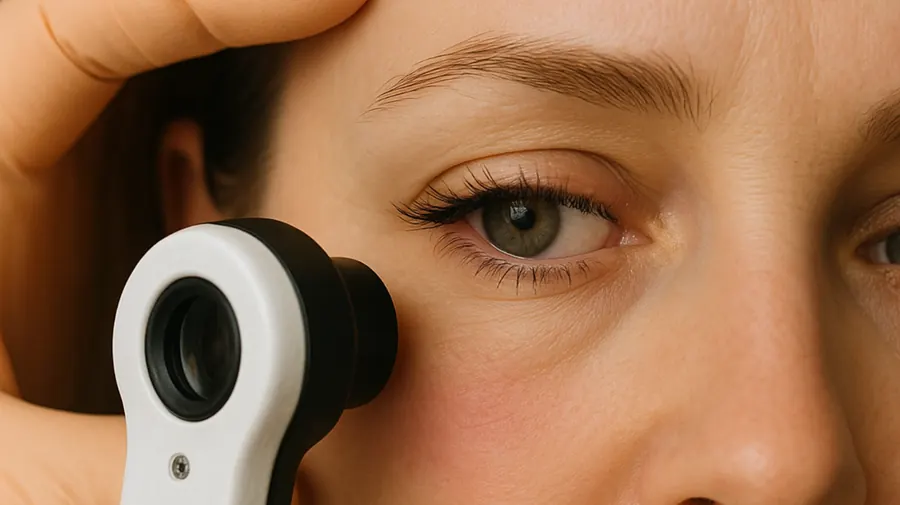
Presbyopia is diagnosed during a comprehensive eye exam. An eye doctor will assess how well your eyes focus at different distances and evaluate your near vision needs.
No special or invasive testing is required. Diagnosis is based on age, symptoms, and straightforward vision measurements. Importantly, an exam additionally rules out other causes of near vision blur, which is why professional evaluation matters.
Treatment Options for Presbyopia
Reading Glasses
Reading glasses are the most typical and straightforward solution for presbyopia. They are designed specifically for near tasks such as reading, phone use, or close work.
Some people are comfy using over-the-counter reading glasses, while others benefit from prescription lenses tailored to their eyes.
Progressive or Bifocal Glasses
Progressive lenses provide clear vision at distance, intermediate, and near ranges in a single pair of glasses, without visible lines. Bifocals achieve a similar goal but use distinct lens sections.
These options are in-demand for people who prefer not to switch between multiple pairs of glasses throughout the day.
Eye lenses for Presbyopia
Presbyopia can additionally be corrected with eye lenses. Multifocal contacts allow focus at different distances, while monovision corrects one eye for distance and the other for near.
An eye doctor can help determine which approach offers the finest balance of clarity and comfort.
Other Options
Occupational or computer glasses may be recommended for people who spend long hours on screens. Surgical options exist but are typically considered only after careful consultation.
Does Presbyopia Grab Worse Over Time?
Presbyopia typically progresses until around the mid-sixties, when the lens reaches maximum stiffness. During this time, prescriptions may need to be updated every few years to maintain comfy near vision.
Although presbyopia does not stop right away, it does stabilise. With appropriate correction, long-term visual outcomes are excellent.
Presbyopia and Digital Devices
Digital devices often make presbyopia more noticeable. Phones and tablets are held closer than books, increasing the demand on near focus. Poor lighting and prolonged screen use can further worsen symptoms.
Increasing text size, improving lighting, and using appropriate near-vision correction can significantly improve digital comfort.
Can Presbyopia Be Prevented or Delayed?
Presbyopia cannot be prevented or reversed, unless with surgery, such as refractive lens exchange (RLE). Presbyopia is a normal part of ageing and not caused by screen use, eye strain, or lifestyle choices.
There is no scientific evidence that eye exercises or supplements can stop presbyopia. That said, healthy visual habits and regular eye exams help manage symptoms effectively.
When to See an Eye Doctor
If reading becomes difficult, or if you experience eye strain, headaches, or blurred near vision, it is time for an eye exam. These symptoms are commonly due to presbyopia, but professional evaluation ensures nothing else is contributing.
Regular eye exams become especially crucial in midlife, both for managing presbyopia and monitoring overall eye health.
Conclusion
Presbyopia is a realistic and unavoidable part of ageing, but it is additionally highly manageable. With the right visual correction and professional guidance, most people continue to read, work, and use digital devices comfortably.
Understanding presbyopia removes uncertainty and frustration. An eye doctor can provide personalised solutions to keep near vision clear and comfy at every stage of life.
Share Link copied! Tweet Share Pin it Previous post Next post